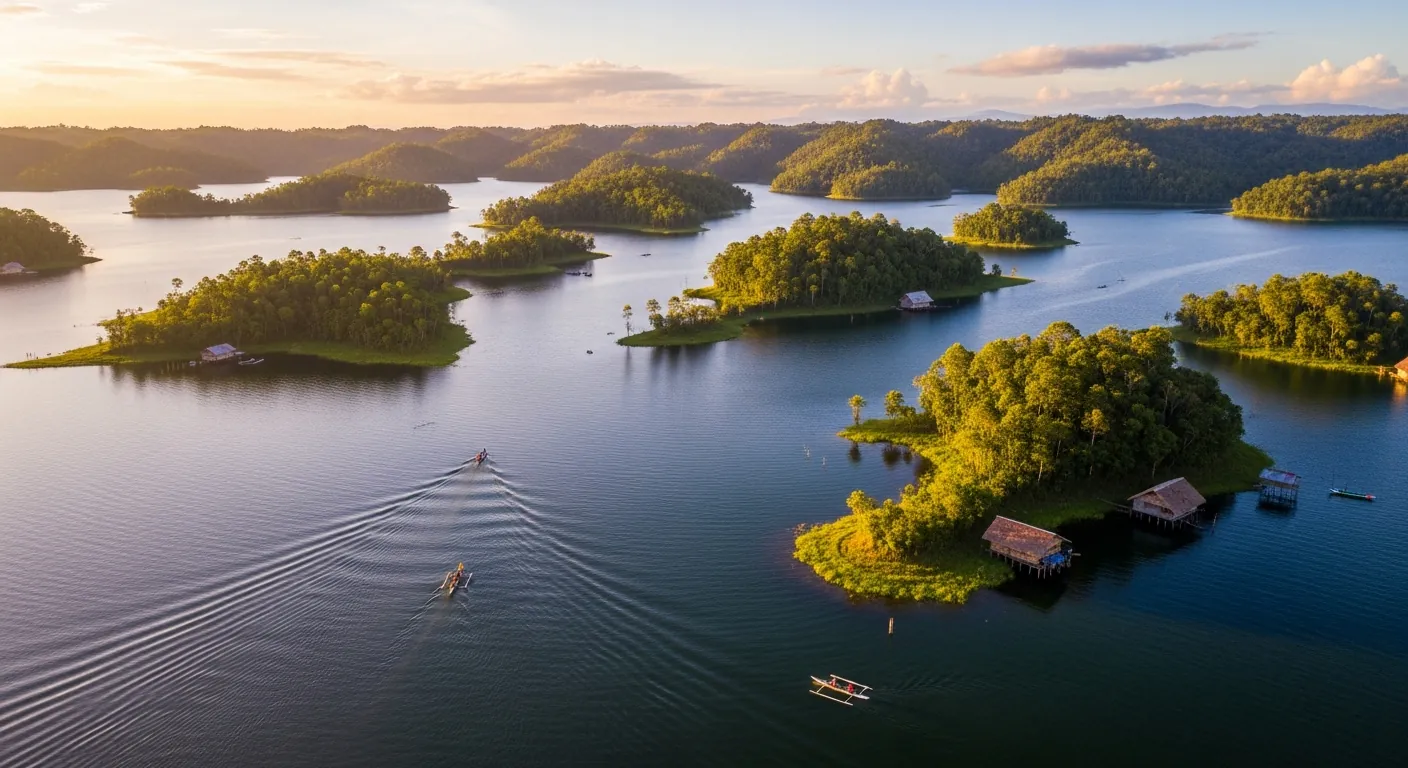
The humid air carries the scent of salt and distant earth, a constant reminder of the ocean and the highlands that define Jayapura. Sunlight glints off the Pacific, illuminating the city’s contours, a vibrant urban center set against a backdrop of verdant hills. Here, the rhythm of daily life unfolds amidst a landscape shaped by history and natural grandeur, inviting exploration.
Navigating Jayapura: The Provincial Capital
Jayapura serves as the capital and largest city of Papua Province in Indonesia. This significant administrative and economic hub encompasses an area of approximately 835.48 square kilometres, stretching along the northern coast of New Guinea. The city’s strategic location has long made it a gateway to the broader region, influencing its development and cultural composition. Downtown Jayapura presents a mix of modern infrastructure and traditional markets, reflecting its dual role as a contemporary city and a historical port. Roads connect key districts, facilitating movement for residents and visitors alike. Public transport options include angkots (minibuses) and ojek (motorcycle taxis), providing localized connectivity. Understanding the city’s layout is fundamental for any visitor planning to explore its various facets, from coastal areas to elevated viewpoints. The city’s diverse population contributes to its dynamic character, with various indigenous Papuan groups and migrants from other parts of Indonesia coexisting.
Sentani International Airport and Access
Sentani International Airport (IATA code: DJJ, ICAO code: WAJJ) is the primary aerial gateway to Jayapura. Located about 40 kilometres from downtown Jayapura, the airport handles both domestic and limited international flights, primarily connecting to other Indonesian cities like Jakarta, Makassar, and Denpasar. The drive from the airport to the city center typically takes between 45 minutes and 1.5 hours, depending on traffic conditions and the specific destination within Jayapura. Taxis and pre-booked airport transfers are available for transport. The route often offers initial glimpses of Lake Sentani and the surrounding landscape. Understanding the airport’s distance and available transport options is crucial for efficient arrival and departure planning. For travelers continuing beyond Jayapura, Sentani Airport also serves as a hub for regional flights to more remote destinations within Papua.
Exploring Lake Sentani and Its Cultural Surroundings
West of Jayapura city, though not encompassing it, lies Jayapura Regency, an expansive area covering about 17,516.6 square kilometres. The Regency, with an officially estimated population of 203,772 people in mid-2024, surrounds Lake Sentani, a freshwater lake central to the region’s cultural and ecological identity. The lake itself is a significant geographical feature, dotted with small islands and bordered by traditional villages. These villages, such as Kampung Ayapo or Doyo Lama, are known for their distinct cultural practices, including traditional fishing methods and the crafting of bark paintings. Exploring Lake Sentani often involves boat trips, allowing visitors to navigate its waters and observe daily life along its shores. The lake’s ecosystem supports various fish species, providing a livelihood for many local communities. Cultural excursions to these villages offer direct engagement with indigenous Papuan traditions, providing insight into their history and contemporary existence. Local guides can facilitate these interactions, offering context and interpretation of the customs observed. The lake is also the site of the annual Lake Sentani Festival, typically held in June, showcasing traditional dances, music, and ceremonies.
Historical Footprints: MacArthur and World War II Legacy
Jayapura’s history is deeply intertwined with World War II, particularly its role as a key Allied base. The MacArthur monument at Ifar Gunung stands as a prominent reminder of this period. General Douglas MacArthur established his headquarters here in April 1944, during the Pacific campaign. The monument, situated on a hill overlooking Lake Sentani, offers panoramic views of the surrounding landscape, providing a strategic perspective that MacArthur himself would have utilized. Visitors can access the site by road, typically a 30-minute drive from Sentani town. Interpretive plaques at the monument provide historical context, detailing the military operations conducted from this location. Further historical exploration can include visits to remnants of old airstrips and fortifications in the greater Jayapura area, which speak to the intensity of the conflict. Understanding this history provides a deeper appreciation for the region’s geopolitical significance during the mid-20th century. The strategic importance of the area during the war shaped its infrastructure and subsequent development. Learn more about Jayapura’s history on Wikipedia.
Coastal Charms: Base-G Beach and Other Seashores
Jayapura’s coastline offers several accessible beaches, with Base-G beach being one of the most well-known. Located approximately 10 kilometres west of downtown Jayapura, Base-G beach is a popular spot for relaxation and local recreation. The name “Base-G” itself is a legacy of the World War II era, referring to an Allied military base established there. The beach features dark sand and calm waters, suitable for swimming and picnicking. Access to the beach is straightforward by car or ojek from the city center, typically a 20-30 minute journey. Weekends see a higher number of local visitors enjoying the beachfront stalls offering food and drinks. Beyond Base-G, other coastal areas like Hamadi Beach offer different perspectives of Jayapura’s maritime environment. Hamadi Beach, closer to the city center, is known for its traditional fish market and views of the harbor. These beaches provide a natural counterpoint to the city’s urban environment and the highland landscapes of the interior, offering opportunities for coastal leisure and observation of local life. The Pacific Ocean’s influence is ever-present, shaping the climate and daily activities along the shore.
Iconic Landmarks and Cultural Symbols: Tugu Pepera
The Tugu Pepera, or Act of Free Choice Monument, stands as a significant landmark in Jayapura, commemorating a pivotal moment in Papua’s history. This monument symbolizes the 1969 referendum that formally integrated West Papua into Indonesia. Located prominently within the city, it serves as a point of reflection on the region’s political journey. The monument’s design often incorporates elements reflecting Papuan culture and Indonesian national identity. Its location within the city makes it easily accessible for visitors interested in understanding the historical narrative of Papua. The Tugu Pepera is not merely a static structure but a focal point for public discourse and remembrance concerning Papuan self-determination and its complex relationship with Indonesia. Understanding the context of this monument is essential for anyone seeking to grasp the sociopolitical landscape of Jayapura and Papua Province. Nearby, other public spaces and government buildings further articulate the city’s role as a provincial capital.
Planning Your Jayapura Trip and Onward Papua Travel
Planning a trip to Jayapura involves considering various aspects, from accommodation to onward travel. Jayapura offers a range of lodging options, from budget guesthouses to mid-range hotels, primarily concentrated in the city center. Advance booking is advisable, especially during peak travel seasons like the Lake Sentani Festival in June. For those planning to venture deeper into Papua, Jayapura serves as a logistical base. Domestic flights from Sentani International Airport connect to remote regencies such as Wamena in the Baliem Valley or Merauke in the south, opening up opportunities for cultural and nature excursions. These onward journeys often require specific permits and local guides, particularly for trekking or tribal visits. Papua New Guinea border travel logistics are complex and require official documentation and adherence to international regulations; the land border crossing at Skouw, approximately 50 kilometres east of Jayapura, operates under specific conditions. Consult Wikivoyage for practical travel information on Jayapura. Understanding these logistical requirements is key to a smooth and impactful journey throughout the Papuan region.
For comprehensive insights into touring Jayapura and planning your exploration of Papua, explore the resources available at jayapuratour.com.